The Baby's Role: 2 Samuel 12:14-23
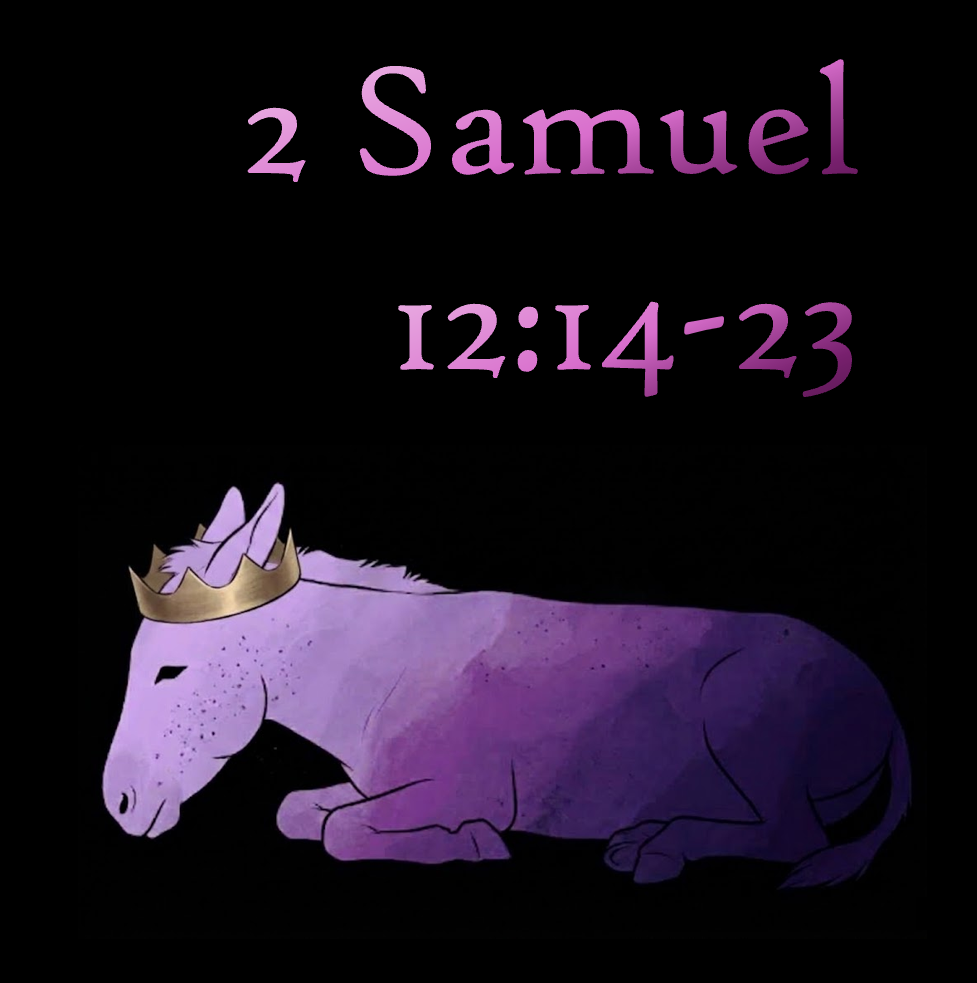
Receiving grace restores our relationship with God. Our sin makes us guilty before God. Who among us is saved by our own actions? God gives salvation to us not because we earn it, but because it is in His character to show grace to us when we do not deserve it.
Although David is forgiven, that doesn’t mean the consequences can be avoided. Not only did David sin with Bathsheba, but some of his warriors died unnecessarily to cover up his sin. Since the night with Bathsheba, David dealt with his sin by ignoring it rather than confessing it. Only after Nathan confronts him directly does David repent.
The son born to David by Bathsheba grows sick. In response, David fasts. He refuses to interact with people. He wrestles within himself, finally processing how his sinfulness affected those around him. There can be little doubt once David cracks the door to repentance the weight of his recent sinfulness comes upon him.
Upon hearing that the baby is dead, David’s responds uniquely. Instead of dwelling in sorrow and agony over the dead, David gets up and moves forward in life. That doesn’t imply he isn’t still sad. David realizes, though, the time for fasting and isolating himself is gone. God’s hand acted, and David can do nothing more to change reality. The baby isn’t coming back.
This puts significant spin upon David’s fasting. David fasted and shut himself off from his servants for the baby’s sake. He demonstrated his sorrow to God for the baby’s sake. David understands the question in everyone’s mind who hears this story. Why must the baby die when David and Bathsheba committed the sin?
The same argument can be made for the whole story. Why did Uriah – and the warriors with him – die when David and Bathsheba sinned? Why do David and Bathsheba remain alive when they carry the guilt?
God works in mysterious ways. Uriah and the warriors die as a result of David’s sinful choice; but David remains alive because God isn’t done with his story. Our sin terminates true life, God’s grace gives life to David. The baby’s death – as unfair as it seems – is the event putting David’s relationship back on track. After the baby dies, David rises, cleans himself, and goes to worship God. The baby in this story is a foreshadowing of Jesus. The sacrificed life of the baby brings David back to a right relationship with God.
That doesn’t automatically mean everything in this story is good. The soldiers who died with Uriah was the result of sin. The conception was a result of sin. David’s lusting after Bathsheba as she bathed was a result of sin. As Paul asks in Romans 6:1, “Should we continue to sin so grace may abound?” The answer is no. Receiving grace never justifies the choice to sin. Receiving grace restores our relationship with God.